Across Europe, labor shortages have become a structural challenge, not a temporary disruption. From manufacturing plants in Germany to construction sites in Poland and hospitality venues in Greece, employers are struggling to find reliable, skilled staff. As a result, vietnamese workers are attracting serious attention from HR directors and operations managers. Known for their strong work ethic, technical ability, and long‑term commitment, Vietnamese professionals are increasingly seen as a strategic solution. To understand how a licensed Vietnam manpower agency facilitates this process, this article examines the strengths, preparation, and future role of Vietnamese workers in the EU labor market.

Why Vietnamese Workers Are in Growing Demand Across Europe
The demand for vietnamese workers is not accidental. It is driven by deep, long‑term shifts in the EU labor market and the proven qualities of the Vietnam workforce.
How Labor Shortages Are Reshaping the EU Labor Market
According to Eurostat, job vacancy rates in manufacturing and construction have remained persistently high across Germany, Poland, Romania, and Croatia. An aging population and reduced interest in vocational trades mean local recruitment alone cannot fill the gap. This structural shortage forces employers to look beyond their borders for sustainable solutions. The trend is also reflected in the latest EURES shortage occupations in Europe, where skilled trades and industrial roles remain among the hardest positions to fill.
Why Employers Are Turning to Vietnamese Workers
For many employers, the appeal of the Vietnamese labor force goes beyond solving immediate staffing shortages. Companies are increasingly looking for stable teams that can remain productive over several years. Vietnamese employees are often viewed as a lower-risk option because they combine technical ability with strong retention and a willingness to adapt to different workplace environments.
Traditional solutions such as overtime, short-term staffing agencies, or repeated local recruitment campaigns often increase costs without solving the root problem. Employers are now prioritizing workforce stability over short-term fixes. For many sectors, the Vietnam workforce has become a practical option because it combines availability, technical preparation, and stronger long-term retention. Employers that want a broader understanding of recruitment models and compliance can explore our guide to Vietnam manpower agency services.
What Makes Vietnamese Workers Stand Out in EU Industries
European employers who have hired talent from Vietnam consistently highlight several distinctive traits that set them apart from other foreign labor sources.
Strong Work Ethic and Long-Term Commitment
Vietnamese professionals are known for punctuality, discipline, and a genuine desire to build a career abroad. Unlike temporary or seasonal staff who may leave after a few months, Vietnamese professionals often stay for years, reducing turnover costs and improving team stability.
Technical Skills That Make Vietnamese Workers Competitive
The Vietnam workforce benefits from a strong vocational training system. Many workers arrive with practical experience in welding, CNC operation, electrical installation, assembly lines, or hospitality. This hands-on competence means shorter onboarding and less rework. Companies looking for more specialized profiles can also learn about our manufacturing and industrial workforce solutions, which cover production, technical, and factory-based recruitment.
Many Vietnamese candidates also have prior experience with international employers in Japan, Korea, or the Middle East. This background often gives them an advantage when entering European workplaces because they are already familiar with production targets, quality control, and structured reporting systems.
Cultural Adaptability and Teamwork
Vietnamese culture values harmony, respect for hierarchy, and collective success. This translates into labor mobility and seamless integration into multicultural teams. European supervisors often report that Vietnamese workers quickly understand instructions, ask questions when needed, and collaborate effectively with colleagues from different backgrounds.

How Vietnamese Workers Prepare for EU Employment Standards
Success in the EU labor market depends on more than raw skill. Professional workforce preparation includes language, safety, legal awareness, and technical certification.
Language and Workplace Communication Training
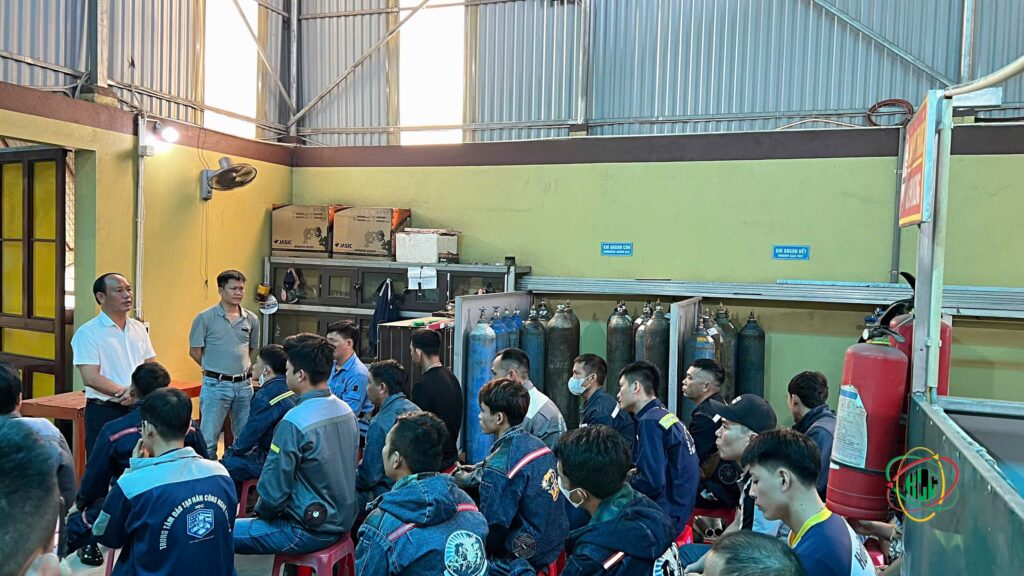
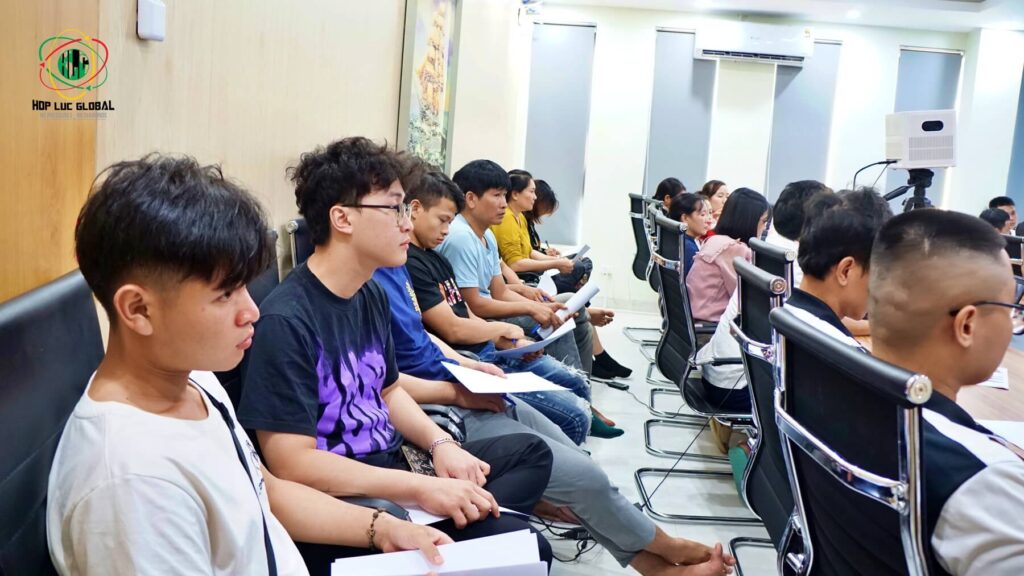
Before deployment, most vietnamese workers receive basic English or destination‑country language training. This enables them to understand safety instructions, read work orders, and communicate with supervisors, reducing misunderstandings and accidents.
Safety Standards and Technical Certification
Reputable programs include comprehensive safety training on equipment use, personal protective gear, and emergency procedures. Many workers also obtain certifications aligned with EU standards (e.g., EN ISO 9606‑1 for welders), ensuring they meet legal and quality requirements.
How Vietnamese Workers Adapt to European Work Culture
Successful integration is one reason why these employees are increasingly recommended by European supervisors to other branches and business partners. Their ability to adapt quickly reduces onboarding pressure and allows projects to return to full productivity sooner.
Pre-departure orientation also introduces workers to European expectations around punctuality, reporting procedures, teamwork, and independent problem-solving. Understanding these differences before arrival reduces culture shock and helps new hires contribute more effectively from their first week on site.
Need the full recruitment framework?
This article focuses on the strengths and readiness of Vietnamese talent. If you want to understand the complete process, legal requirements, and recruitment timeline, see our full guide on Vietnam manpower agency.
Why Hop Luc Global Helps Vietnamese Workers Succeed in Europe
Hop Luc Global JSC acts as a bridge between the Vietnam workforce and European employers. Our role is to prepare candidates thoroughly and support clients throughout the hiring process.
Practical Screening and Candidate Selection
We use a multi‑step worker screening process that assesses technical skills, health, attitude, and motivation. This ensures that only suitable candidates are presented to EU employers, reducing mismatch and early attrition.
Training, Compliance, and Pre-Departure Support
- Candidate screening and skill testing
- Language and safety training
- Visa and legal documentation
- Deployment and aftercare support
Before departure, these candidates also receive guidance on employment contracts, accommodation standards, and labor rights in their destination country. This preparation minimizes misunderstandings and gives employers greater confidence in the recruitment process.
Our preparation includes workplace language, safety certification, document verification, and visa coordination. By the time workers arrive in Europe, they are fully aware of their rights, duties, and workplace expectations. This structured approach enhances labor mobility and lowers administrative friction for employers. Employers who want to understand the legal side in more detail can review our guide to legal labor export from Vietnam.
International recruitment is becoming increasingly important across Europe, particularly in sectors facing long-term workforce shortages. According to the ILO guidance on labour migration and workforce mobility, well-managed recruitment and legal preparation are essential for sustainable cross-border employment.
Why Employers Trust Hop Luc Global
Long‑term partnerships with companies across Poland, Hungary, Greece, and Lithuania demonstrate our reliability. Clients benefit from lower hiring risk, transparent communication, and after‑care support that improves retention. For more on how we operate, see our Vietnam manpower agency services.
Why Vietnamese Workers Will Shape the Future EU Labor Market
As Europe’s demographic challenges intensify, the Vietnam workforce will become an even more integral part of the EU labor market. Employers who act early will secure a competitive advantage.
Which Sectors Will Need More Vietnamese Workers
Beyond manufacturing and construction, demand is rising in logistics, food processing, hospitality, and healthcare support. Each of these sectors values the reliability, trainability, and long‑term orientation of the Vietnam workforce.
What Employers Should Do Before Hiring Vietnamese Workers
Start workforce planning early. Identify your headcount needs, role specifications, and desired start dates. Then partner with a licensed manpower provider who can deliver vetted, trained workers on a predictable timeline. Relying on last‑minute recruitment will only increase costs and delays.
European employers most often choose talent from Vietnam because they offer:
- Lower turnover and stronger long-term commitment
- Technical skills suited to manufacturing, construction, and logistics
- Faster adaptation to workplace rules and team culture
- Reliable attendance and a disciplined work ethic
Still unsure whether Vietnamese workers are the right fit?
Every industry has different requirements. Manufacturing, construction, hospitality, and logistics each need different levels of skill, language ability, and preparation.
If you would like help assessing whether the Vietnam workforce matches your needs, you can contact our team or continue with the complete guide here: Vietnam manpower agency.
For additional labor market data, employers can review the latest European workforce trends published by Eurostat and the EURES employment network.
Frequently Asked Questions About Vietnamese Workers in Europe
Why are Vietnamese workers increasingly hired in Europe?
Labor shortages across the EU, combined with the reliability, technical skills, and long‑term commitment of Vietnamese workers, make them a preferred choice for many employers in manufacturing, construction, and hospitality.
Which industries in Europe hire Vietnamese workers most often?
Construction, manufacturing, logistics, food processing, hospitality, and increasingly healthcare support are the top sectors hiring Vietnamese professionals.
Do Vietnamese workers receive language and safety training before working in Europe?
Yes, professional manpower providers include workplace English, safety certification, and cultural orientation as part of pre‑departure preparation.
What makes Vietnamese workers different from other foreign labor sources?
Vietnamese workers are known for lower turnover, strong discipline, adaptability to European management styles, and a genuine long‑term career mindset.
How can European employers recruit Vietnamese workers legally?
Work with a licensed manpower partner such as Hop Luc Global, which handles MOLISA compliance, work permits, and EU‑standard training, ensuring a fully legal and transparent process.
Summary: A Strategic Choice for Forward‑Thinking Employers
Vietnamese workers offer a unique combination of skill, reliability, and cultural fit that aligns perfectly with the needs of the modern EU labor market. By partnering with an experienced, licensed agency, European companies can build a sustainable workforce pipeline that reduces risk, improves productivity, and supports long‑term growth. The time to act is now – before the competition secures the best talent.