For European employers managing manufacturing, construction, or infrastructure projects, workforce availability often determines whether deadlines are met or missed. Engaging a workforce agency Vietnam for Europe projects offers a structured approach to sourcing and coordinating talent, helping businesses navigate fluctuating labor demand and complex documentation processes. This article explores how a workforce agency Vietnam for Europe projects can support recruitment coordination and workforce planning, while also addressing the broader context of Vietnam overseas manpower and its relevance for EU employers.
For employers comparing international staffing options, understanding how a workforce agency Vietnam for Europe projects operates can help improve workforce planning decisions.
Why European Projects Need Flexible Workforce Planning
Changing Labor Demand Across Manufacturing and Construction Projects
Seasonal peaks and project-based hiring create significant pressure on European employers. Publicly available labour market indicators published by Eurostat may also help employers monitor broader workforce availability trends across European industries. A plant may require additional workers for a six‑month production increase, while a construction site may need specific skill sets for a finite phase. Without flexible workforce planning, employers risk either overstaffing or understaffing, both of which carry financial consequences. A workforce agency Vietnam for Europe projects can support dialogue around these demand patterns, helping employers think through sourcing timelines and candidate availability. Rather than reacting to shortages, proactive workforce planning allows companies to align recruitment activities with project milestones, reducing last‑minute scrambling and supporting more predictable operations.
Why Employers Seek Overseas Recruitment Partners
European employers increasingly consider overseas recruitment partners to address workforce gaps. Access to a broader candidate pool, support with candidate screening, and assistance in coordinating documentation are common motivations. A Vietnam manpower supply partner can contribute to these objectives by facilitating communication between employers and candidates. The focus is on improving workforce visibility for planned projects and reducing the burden on internal HR teams. However, outcomes depend on multiple factors, including destination-country requirements and employer-specific criteria. Employers are encouraged to review current labor mobility guidance through EURES when assessing workforce planning assumptions.
Proactive planning also allows employers to assess whether a workforce agency Vietnam for Europe projects fits their operational requirements.
How a Workforce Agency Vietnam for Europe Projects Supports Recruitment Coordination
Role Requirement Discussions and Workforce Forecasting
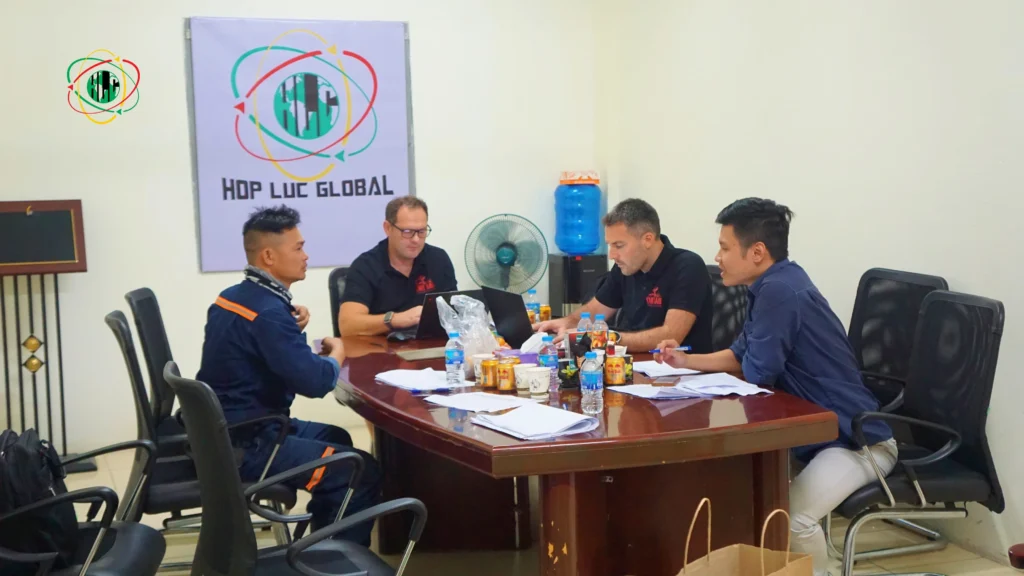
Effective recruitment coordination begins with clear discussions about position requirements. This involves clarifying job descriptions, expected qualifications, and any specific experience needed for the project. For example, an employer might need welders for a shipbuilding project or assembly line workers for an automotive plant. The agency facilitates these conversations to ensure alignment before candidate sourcing begins. Workforce forecasting also includes estimating how many workers are needed and when they should be available. A workforce agency Vietnam for Europe projects can assist in mapping these requirements against potential candidate pipelines. This early alignment reduces misunderstandings and sets a realistic foundation for the recruitment process.
Many employers therefore engage a workforce agency Vietnam for Europe projects at an early stage to support recruitment discussions.
Candidate Preparation and Documentation Awareness
Once requirements are defined, attention turns to candidate readiness. This involves discussing the documentation standards expected by employers and authorities. A Vietnam manpower supply partner can inform candidates about typical documentation requirements and help them understand what may be requested. This includes educational certificates, professional credentials, and personal identification documents. The agency also supports communication between employers and candidates regarding documentation updates. However, specific documentation and review processes vary by destination country and should be confirmed with relevant authorities. The goal is to foster preparedness and reduce administrative friction, not to guarantee any particular outcome.
This preparation phase is often considered an important function of a workforce agency Vietnam for Europe projects.
Key Considerations When Evaluating Overseas Staffing Partners
Transparency, Communication and Verified Information
When selecting a staffing partner, employers should prioritize transparency and responsive communication. A partner that shares verified company information—such as legal name, registration details, and contact channels—demonstrates a commitment to trust. European employers hiring from Vietnam benefit from working with agencies that are upfront about their processes and limitations. Clear expectation management is essential. For instance, employers should understand what is within the agency’s control and what depends on external factors such as employer requirements or third‑party reviews. Requesting verifiable information about the agency’s background is a prudent step before initiating cooperation.
Timeline Planning and Risk Awareness
Recruitment schedules are influenced by multiple variables, including the complexity of required documentation, employer decision‑making speed, and authority review processes. While an agency can help coordinate activities, it cannot guarantee specific timelines. Employers should engage in timeline planning with a realistic understanding of potential delays. Building contingency buffers into project schedules is a common practice. Discussing risk awareness openly with a potential partner helps align expectations. Employers should ask about the agency’s experience handling documentation coordination and how they communicate updates to candidates and clients. This practical approach supports better project outcomes.
Selecting a workforce agency Vietnam for Europe projects that communicates openly may help employers reduce planning uncertainty.
Building Trust Through Compliance-Aware Recruitment Practices
Compliance Awareness in International Recruitment
Navigating international recruitment requires awareness that requirements differ by destination market. Employers and recruitment partners may also consult resources from the International Labour Organization (ILO) for broader information related to fair recruitment and labour mobility practices. A compliance‑aware agency emphasizes the importance of reviewing current regulations and adhering to standards set by relevant authorities. This includes ensuring that documentation is properly prepared and that candidates understand their responsibilities. While Hop Luc Global does not provide legal advice or guarantee approvals, the company emphasizes the importance of working with authorities in the destination country. Employers benefit from partners who are mindful of these distinctions and who encourage all parties to verify specific requirements before proceeding.
Verified Information About Hop Luc Global
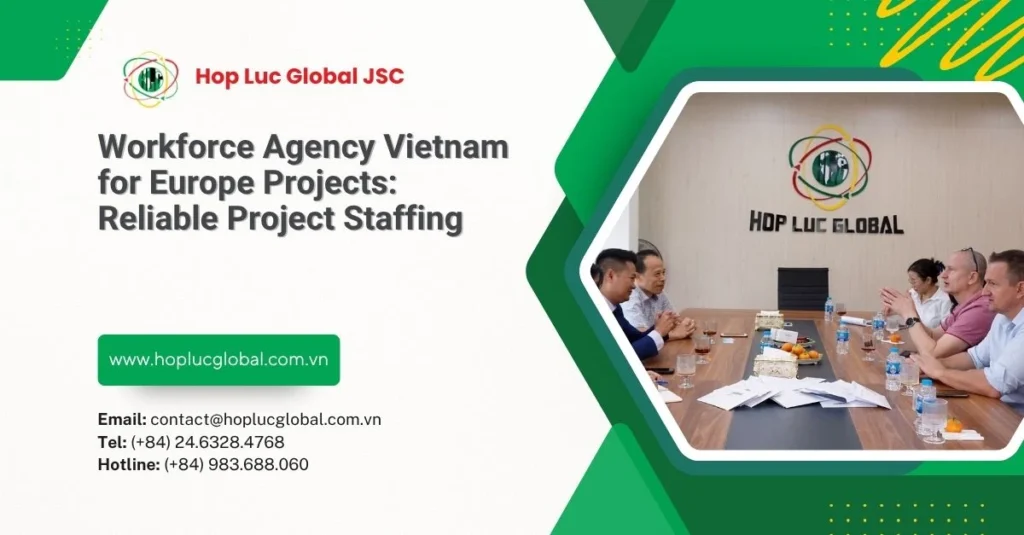
Hop Luc Global Joint Stock Company operates as a Vietnam manpower supply partner serving European target markets. The company’s verified profile includes its legal name, address, and licensing details. Employers can review background information through the company website or direct communication. This transparency supports informed decision‑making and helps establish a foundation for cooperation. A workforce agency Vietnam for Europe projects should be willing to share its verified details openly and discuss its experience with relevant markets. Employers are encouraged to conduct their own due diligence and ask questions about the agency’s operational practices.
Employers are encouraged to conduct their own due diligence, verify destination-country requirements and review publicly available guidance before making workforce planning decisions.

Managing Workforce Demand Across Multiple European Projects
| Employer Consideration | Planning Discussion |
|---|---|
| Headcount | Estimated workforce requirements |
| Timeline | Target mobilization period |
| Skills | Trade experience and qualifications |
| Documentation | Destination-country requirements |
Supporting Manufacturing and Construction Planning
Employers managing multiple projects across different locations face complex workforce planning decisions. Each project may have unique requirements, timelines, and workforce demands. A recruitment partner can assist by centralizing discussions about anticipated needs and helping coordinate candidate sourcing across projects. This approach supports continuity and reduces the administrative burden on internal teams. Practical business examples include coordinating for a series of construction projects or supporting production peaks in different manufacturing facilities. The agency’s role is to facilitate communication and help employers think through their workforce requirements in a structured manner.
For companies operating across multiple sites, a workforce agency Vietnam for Europe projects can contribute to more structured staffing discussions.
Questions Employers Should Discuss Before Cooperation
Before committing to cooperation, employers and recruitment partners should exchange practical information. Key discussion points include the number and type of open positions, expected headcount, and target mobilization periods. Other relevant topics might include specific skill requirements, language preferences, and any documentation that will be requested from candidates. These conversations help both parties assess alignment and identify potential challenges early. A workforce agency Vietnam for Europe projects can facilitate this dialogue, but the responsibility for confirming specific requirements rests with the employer and relevant authorities. Early engagement allows both sides to evaluate whether cooperation fits their operational plans.
Next Steps for Employers Considering Vietnam‑Based Staffing Support
Starting a Practical Workforce Discussion
Employers interested in exploring recruitment support should initiate a practical discussion by sharing their role lists and expected start dates. This allows the agency to assess whether its current capabilities align with employer needs. Hop Luc Global encourages employers to contact the company directly to discuss specific workforce planning scenarios. The conversation should focus on what is practical and achievable, considering the variables involved. While no guarantees can be made about approvals or deployment, open dialogue about requirements and timelines helps set a realistic foundation. Structured workforce planning discussions support better outcomes for all parties.
Frequently Asked Questions
What does a workforce agency Vietnam for Europe projects typically support?
A workforce agency supports recruitment coordination, workforce planning discussions, and communication between employers and candidates, while all specific requirements remain subject to destination‑country rules.
Why do European employers consider Vietnam manpower supply partners?
Employers consider Vietnam manpower supply partners for access to candidate pools, planning flexibility, and structured communication support during recruitment processes.
How early should employers start workforce planning for overseas recruitment?
Employers should start planning as early as possible, ideally several months before projected staffing needs, as timelines vary by employer requirements and authority reviews.
What factors influence recruitment timelines for Europe projects?
Factors include documentation complexity, employer decision‑making speed, and the time required for third‑party reviews, all of which vary by destination country.
How can employers evaluate an overseas staffing partner?
Employers should evaluate transparency, verified company information, communication responsiveness, and willingness to discuss realistic planning constraints.
What information should employers prepare before contacting a manpower partner?
Employers should prepare role lists, estimated headcount, target start dates, and any specific skill or language requirements for their projects.
Share your role list and target start date to discuss potential workforce support options.
Contact Hop Luc Global today to start a practical workforce planning conversation.
Website: https://hoplucglobal.com.vn/
Email: contact@hoplucglobal.com
Phone: (+84)24.6328.4768
Office: Lot 01, TT6 – 2B, Thi Cam Street, Xuan Phuong Ward, Hanoi, Vietnam
License: 67/LĐTBXH-GP (2023-10-26)
Hop Luc Global Joint Stock Company looks forward to discussing your project requirements.