Training Skilled Vietnamese Workers for Europe: Why Employers Should Evaluate Preparation Carefully
European employers across manufacturing, construction, logistics, and healthcare are increasingly looking beyond traditional labour pools to fill persistent skills gaps. For companies evaluating training skilled Vietnamese workers for Europe, understanding candidate preparation, documentation readiness, and destination-country expectations has become an important part of long-term workforce planning. Training skilled Vietnamese workers for Europe has emerged as a strategic response to these shortages, offering access to a motivated workforce with strong technical foundations.
Why European Employers Are Looking to Vietnam
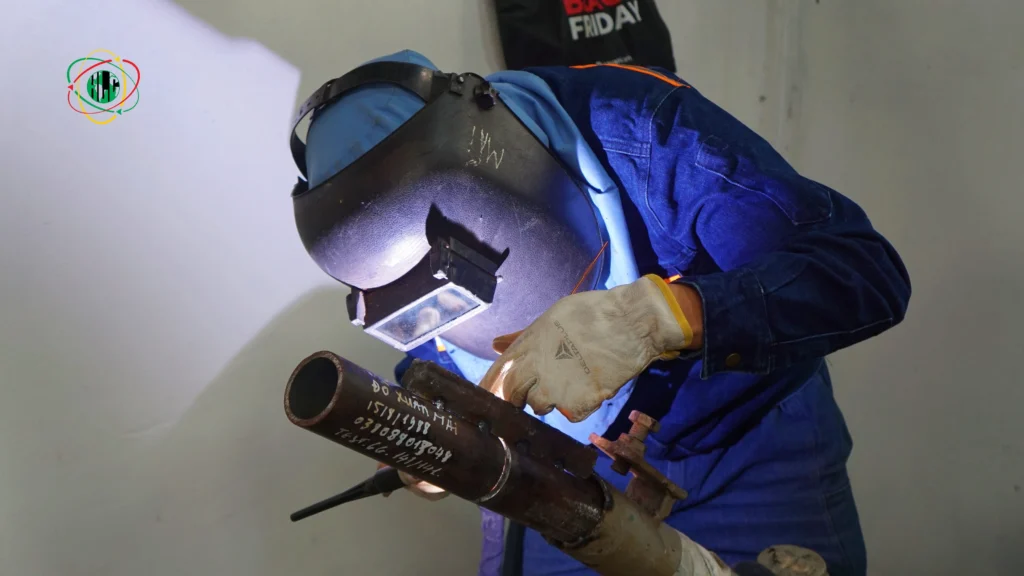
Vietnam has a young, industrious population with a strong work ethic and a rapidly developing technical education system. Many Vietnamese workers have experience in sectors that align with European demand, such as welding, machining, assembly, and logistics. Their proven adaptability in international environments adds to their appeal. Hop Luc Global, a licensed manpower agency with a physical office in Hanoi, serves multiple European markets including Lithuania, Latvia, Greece, Croatia, Finland, Estonia, Romania, Bulgaria, Poland, Hungary, and wider Schengen countries, reflecting the growing interest in Vietnamese talent.
European employers can monitor labour shortages and mobility trends through Eurostat and EURES .
The Critical Question: Are Candidates Truly Job-Ready?
While Vietnam produces many skilled graduates, the gap between local training curricula and the specific requirements of European employers can be significant. Practical skills, safety protocols, and communication styles often differ. Therefore, a structured assessment of training processes is non-negotiable. Employers must look beyond marketing claims and evaluate the actual content, delivery, and outcomes of pre-departure training. This framework covers role-based preparation, cultural orientation, documentation compliance, and agency credibility—key pillars to ensure candidate readiness.
Training Skilled Vietnamese Workers for Europe: What Employers Should Evaluate
Before committing to a manpower partner, you need a clear checklist to objectively assess training quality and agency infrastructure. This section outlines the critical areas to examine.

Curriculum Content and Delivery Methods
Request a detailed training syllabus. Does it cover technical skills, safety procedures, and soft skills such as communication and problem-solving? Understand how training is delivered—classroom theory, hands-on practice, simulation, or on-the-job mentoring. Ask for sample materials and assessment tests to gauge depth and relevance. A transparent agency will share these willingly, as they demonstrate their commitment to quality.
Trainer Qualifications and Continuous Improvement
Inquire about the trainers’ industry backgrounds and teaching credentials. How does the agency incorporate feedback from previous employer placements to update its curriculum? Regular improvement cycles show a proactive approach to evolving European standards and job demands. Request data on past cohorts’ performance or retention rates if available; this can indicate training effectiveness.
Verification of Candidate Skills and Backgrounds
Reliable agencies verify candidates’ work history, technical certifications, and language proficiency through practical tests and interviews. They also conduct health checks and criminal record screenings as part of a robust vetting process. Insist on seeing their verification protocols. Transparent documentation of each candidate’s qualifications and background reduces the risk of mismatched placements and protects your operational integrity.
Share your occupations, expected start date, and required skill levels to discuss preparation options.
Role-Based Preparation and Cultural Orientation
Training must be tailored to the specific job functions workers will perform. General instruction is insufficient; role-specific preparation ensures productivity from day one. Equally important is cultural orientation to facilitate smooth integration into the European workplace.
Technical Skills Included When Training Skilled Vietnamese Workers for Europe
Whether your need is for welders, machine operators, construction laborers, or logistics staff, the training program should mirror the actual tasks and equipment used in your operations. Emphasis on safety standards—such as proper use of personal protective equipment and emergency response—is critical.
Employers seeking broader insights into labour mobility, skills development, and decent work practices can also review reports published by the International Labour Organization (ILO). These resources provide useful context when assessing training quality and worker preparedness for overseas employment.
The training should also align with destination-country requirements for occupational health and safety, though exact regulations vary; confirm these with local authorities.
Language and Communication Skills
Functional language proficiency is essential for understanding instructions, communicating with colleagues, and maintaining safety. Training should include workplace-specific vocabulary and common phrases. Additionally, instruction on communication styles—like directness, feedback norms, and hierarchy—helps bridge cultural gaps. While fluency is not expected, basic conversational ability and comprehension of technical terms significantly improve integration.
Cultural Adaptation and Workplace Expectations
European work cultures often emphasize punctuality, autonomy, teamwork, and work-life balance—concepts that may differ from those in Vietnam. Pre-departure orientation should cover these expectations, as well as European labor laws, workers’ rights, and employer obligations. Programs that address homesickness and provide coping strategies also contribute to long-term retention. Effective cultural preparation reduces misunderstandings and fosters a positive employer-employee relationship.
For many employers, successful training skilled Vietnamese workers for Europe depends not only on technical capabilities but also on preparing workers for communication norms, workplace expectations, and long-term retention.
Documentation and Compliance Across EU Destinations
Navigating the legal requirements for employing non-EU workers can be complex. A competent agency will support you and the candidate through every step, ensuring all paperwork is complete and accurate. However, remember that final approval always rests with immigration authorities.
Work Permits, Visas, and Residence Documentation
Each EU country has its own procedures for work authorization. The agency should guide you on the necessary documents, application timelines, and potential bottlenecks. They should also maintain clear communication with local authorities to avoid delays. While the agency can assist, the ultimate decision lies with the respective immigration office. Always confirm current requirements with official sources.
Since employment regulations and worker rights differ among EU member states, employers should regularly consult country-specific guidance published by the European Labour Authority (ELA) to stay informed about labour mobility requirements and compliance obligations.
Medical Certifications and Insurance Requirements
Most destination countries require a medical certificate confirming the worker’s fitness for employment, including occupational health screenings. Additionally, proof of health insurance coverage during the employment period is often mandatory. Ensure the agency arranges these checks and verifies that they meet the specific standards of the host country. Again, verify the exact tests and documentation needed with local regulations.
Navigating Country-Specific Regulatory Variances
Requirements can differ significantly between, say, Germany and Poland. An agency with experience across multiple European markets will be familiar with these nuances and adapt its support accordingly. However, it is your responsibility as the employer to stay informed about policy changes and to confirm all details with the relevant authorities. Partnering with an agency that proactively tracks regulatory updates adds a layer of security to the process.
Documentation coordination is another important factor when evaluating agencies involved in training skilled Vietnamese workers for Europe. Employers benefit from partners that provide realistic timelines, transparent communication, and support throughout the recruitment journey.
Send your headcount estimate, worker categories, and preferred mobilisation period to receive practical guidance.
For employers comparing labour market conditions, shortage occupations, and destination-country procedures, the EURES European Job Mobility Portal offers practical country profiles and regularly updated employment information.
Red Flags and Common Pitfalls in Overseas Recruitment
Recognizing warning signs early can save you from costly mistakes and operational disruptions. Below are common pitfalls to watch for when evaluating manpower agencies.
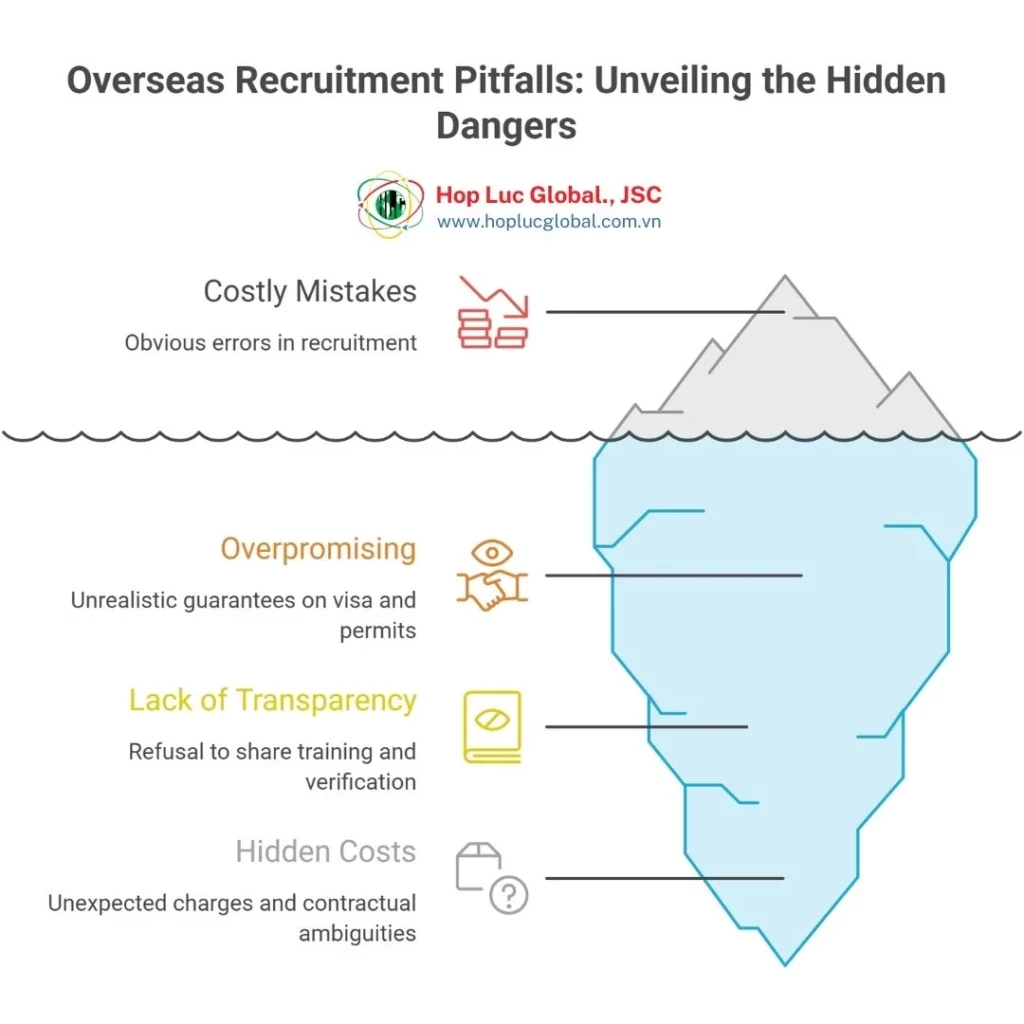
Overpromising on Speed and Guarantees
Be wary of agencies that guarantee visa approval or work permits within unrealistic timeframes. No agency can control immigration decisions; such promises often indicate inexperience or dishonesty. Similarly, overly optimistic deployment schedules may lead to missed start dates. Seek realistic timelines and a clear contingency plan for delays.
Lack of Transparency in Training and Candidate Background
If an agency refuses to share its training curriculum, assessment methods, or candidate verification procedures, consider it a major red flag. Without transparency, you cannot verify the quality of workers you will receive. Also, ask for references from other EU employers to gauge reliability. A reputable agency will have no issue providing these.
Hidden Costs and Contractual Ambiguities
Carefully review fee structures and service-level agreements. Some agencies add unexpected charges after signing, such as administrative fees, overtime penalties, or cancellation costs. Ensure all costs are itemized and agreed upon in writing. Also, check that the contract clearly defines responsibilities, timelines, and risk allocation. Seek legal advice if necessary to avoid unfavorable terms.
Training Skilled Vietnamese Workers for Europe: Making an Informed Decision
Selecting the right training partner is a strategic decision that directly impacts your workforce quality and project success. By applying the evaluation framework outlined above, you can confidently choose an agency that delivers competent, well-prepared workers.
Key Takeaways for Employers
Training quality distinguishes successful placements from costly failures. Systematically assess curriculum depth, cultural orientation, documentation support, and agency credibility. Prioritize partners with verifiable processes and transparent communication. Hop Luc Global, for example, holds a valid manpower license (67/LĐTBXH-GP) from Vietnamese authorities and operates from a physical office in Hanoi, offering traceability and accountability.
Next Steps: Start Your Evaluation Today
Begin by reaching out to Hop Luc Global to discuss your workforce requirements. Request a tailored training curriculum sample and an evaluation checklist. Share your role list and target start date to receive a personalized assessment. The international recruitment process is complex, but with the right partner, it becomes manageable and efficient.
Frequently Asked Questions
What specific skills are Vietnamese workers typically trained for?
Vietnamese workers are trained across various sectors including manufacturing, construction, logistics, welding, and healthcare; training is role-based and tailored to employer needs.
How long does it take to train a Vietnamese worker for deployment to Europe?
Training duration varies depending on the role and existing skill level; typically a few weeks to several months, including language and cultural orientation; confirm with your agency for specific timelines.
Do Vietnamese workers speak English or the local language?
Many have basic English; additional language training for the destination country is often part of the pre-departure program to enhance workplace integration.
What documentation is required for a Vietnamese worker to work in the EU?
Common requirements include a valid work permit, visa, health certificate, criminal record check, and proof of qualifications; requirements vary by country.
How can I verify a manpower agency’s license and legitimacy?
Check the agency’s license number with the Vietnamese authorities (e.g., Hop Luc Global holds license 67/LĐTBXH-GP), and request references from other EU employers.
What are the typical costs involved in recruiting skilled workers from Vietnam?
Costs include recruitment fees, training, visa processing, travel, and insurance; request a detailed breakdown from the agency to avoid hidden charges.
Can I interview candidates before they are deployed?
Yes, reputable agencies facilitate video interviews or in-person meetings to assess candidates’ skills and communication, ensuring a good fit.
Share your role list and target start date to discuss practical options for training skilled Vietnamese workers for Europe.
Our team can discuss worker categories, preparation activities, documentation considerations, and expected mobilisation planning.
Review our company background or contact us to start a structured workforce planning discussion.