European employers facing structural labor shortages are shifting from reactive local hiring to proactive global workforce strategies. For manufacturing, construction, and logistics sectors, this means evaluating partners beyond national borders. Choosing the right international manpower company in Vietnam has become a strategic decision that directly impacts project timelines, compliance, and cost predictability. This article moves beyond general recruitment advice to focus on cross-border hiring dynamics, partnership structures, and risk management when working with a worldwide Vietnam manpower agency. For foundational context, see our Vietnam manpower agency guide for EU employers.

Why EU Companies Are Turning to an International Manpower Company in Vietnam
For many EU employers, working with an international manpower company in Vietnam is no longer a backup option—it is becoming part of core workforce planning. Instead of reacting to shortages, companies are building predictable hiring pipelines that align with project timelines and long-term expansion strategies.
The shift toward a global workforce Vietnam model is not driven by short-term crises but by long-term structural realities. European industries are adopting worldwide Vietnam manpower agency partnerships to secure reliable, repeatable talent pipelines.
Structural Labor Gaps Across Europe
Eurostat data confirms persistently high job vacancy rates in manufacturing, construction, and logistics. An aging workforce and declining interest in vocational trades mean local recruitment alone cannot close the gap. Nearly 14 million people work in the EU construction sector alone, and shortages are deepening across most member states. The EU expects to lose one million workers annually until 2050, making international manpower company in Vietnam partnerships a structural necessity rather than a temporary fix.
From Local Hiring to Worldwide Vietnam Manpower Agency Partnerships
Employers have moved beyond local job postings and temporary staffing. The new model involves worldwide Vietnam manpower agency relationships that provide forecastable, scalable supply. This shift treats workforce acquisition like any other critical supply chain: with lead times, quality gates, and long-term contracts.
📘 Need a clearer framework before choosing a partner?
If you’re evaluating an international manpower company in Vietnam, it helps to understand the full structure behind a reliable Vietnam manpower agency. 👉 Read the complete guide here to see how the process works end-to-end.
Key Criteria for a Reliable International Manpower Company in Vietnam
At this stage, choosing an international manpower company in Vietnam becomes less about price and more about reliability, compliance, and delivery consistency. Employers should evaluate partners based on measurable performance, not just marketing claims.
Not every agency is equipped for cross-border, high-volume EU recruitment. A compliant manpower agency must demonstrate specific capabilities that reduce employer risk.
Legal Licensing and Cross-Border Compliance
A legitimate international manpower company in Vietnam holds a valid license from Vietnam’s Ministry of Labour (MOLISA) for overseas labor supply. This license is non-negotiable. Beyond licensing, the agency must align with ILO fair recruitment principles and demonstrate understanding of EU labor regulations, including work permit processes, visa requirements, and bilateral agreements between Vietnam and specific EU member states.
Scalable Workforce Supply and Deployment Capability
A true partner Vietnam manpower export agency offers documented scalability: monthly deployment capacity, backup candidate pools, and a clear replacement policy. Employers should request evidence of past batch sizes, deployment timelines, and success rates for similar industries.
Pre-Departure Training and Worker Readiness
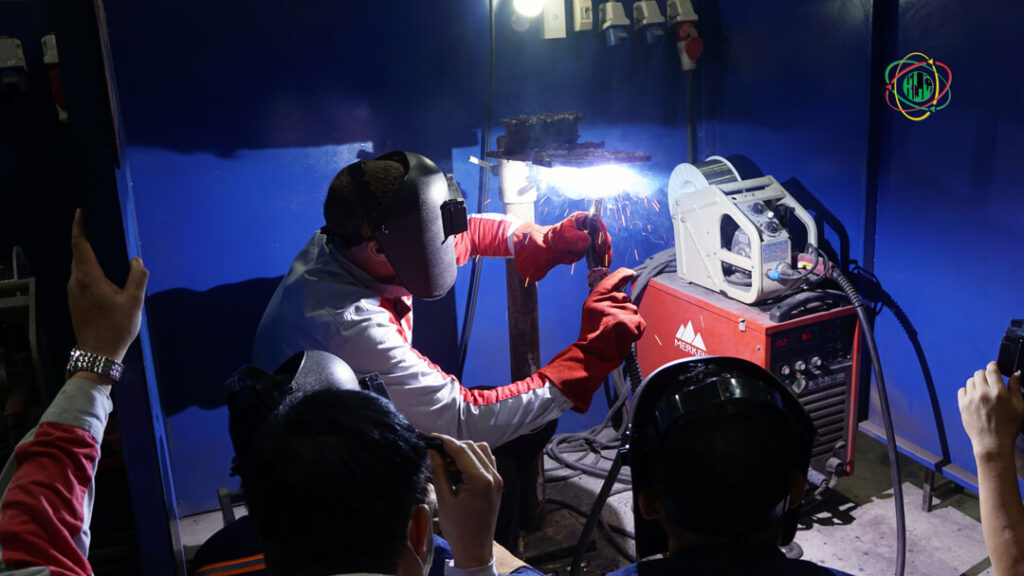
Worker readiness is the product of systematic workforce training Vietnam. Reliable agencies provide structured pre-departure programs covering technical skills, EU safety standards, basic language for workplace communication, and cultural orientation. This reduces onboarding friction and accelerates productivity.
Partnership Models with an International Manpower Company in Vietnam
Each collaboration model with an international manpower company in Vietnam comes with different levels of control, risk, and operational involvement. Understanding these differences helps employers select a structure that fits their internal capabilities.
EU employers and recruitment agencies have several collaboration models with international manpower company in Vietnam providers. Choosing the right model depends on project scale, risk tolerance, and internal HR capacity.
Direct Employer to Vietnam Agency Model
In this model, an EU company contracts directly with a Vietnam agency for direct hiring Vietnam workers. The agency manages sourcing, screening, training, and deployment. The employer handles on-site integration and supervision. This model offers maximum control but requires internal resources for coordination.
EU Recruitment Agency Partnerships
European recruitment agencies often partner with a Vietnam agency as a sub-supplier. The EU agency manages client relationships, while the partner Vietnam manpower export agency handles the Vietnam-side pipeline. This allows the EU agency to offer international placements without building local infrastructure.
Hybrid Outsourcing and Long-Term Workforce Pipelines
Larger employers may adopt a hybrid model: a strategic partnership with a Vietnam agency for workforce pipeline Vietnam, combined with periodic direct hires for specialized roles. This balances predictability with flexibility, allowing employers to forecast headcount needs 6–12 months in advance.
Risks to Avoid When Choosing an International Manpower Company in Vietnam
Not every international manpower company in Vietnam operates at the same standard. A careful evaluation process is essential to avoid operational disruptions and compliance issues that can impact both timelines and reputation.
Evaluating an international manpower company in Vietnam risks requires looking beyond marketing claims. Real business risks include compliance failures, retention issues, and inadequate post-deployment support.
Unlicensed or Non-Compliant Providers
Illegal labor export Vietnam operations lack MOLISA licenses and often cut corners on contracts, worker fees, and documentation. Working with such providers exposes EU employers to visa rejections, legal penalties, and reputational damage. Always verify the license number and request recent compliance audits.
Poor Worker Retention and Mismatch Issues
Low retention rates defeat the purpose of international hiring. Workforce retention EU projects suffers when agencies prioritize volume over matching. Ask for retention data: what percentage of workers complete their full contract term? What is the replacement SLA for early departures?
Lack of On-Ground Support in Europe
Post-deployment support workers is critical for long-term success. Agencies without local representatives or aftercare teams leave employers to handle integration, accommodation issues, and worker grievances alone. A professional partner provides dedicated support contacts and structured check-ins.
How Hop Luc Global Supports International Workforce Partnerships
As a Vietnam manpower agency with over a decade of experience, Hop Luc Global JSC exemplifies the professional international manpower company in Vietnam model. Our approach focuses on compliance, training, and long-term partnership.
Licensed and Government-Approved Operations
Hop Luc Global holds MOLISA License No. 67/LĐTBXH-GP, ensuring full legal compliance for labor export. Our contracts are transparent, and we adhere to a zero-fee policy for workers, aligning with ILO principles. This licensed manpower agency Vietnam status provides EU employers with audit-ready documentation.
Structured Training and Deployment Process
Our workforce training Vietnam programs exceed 180 hours, covering technical skills, EU safety standards, workplace English, and cultural orientation. The deployment process follows a clear 5-stage workflow: job order analysis, candidate sourcing, trade testing, documentation, and pre-departure training. Typical timeline: 8–12 weeks from contract to arrival.
Supporting EU Employers and Recruitment Partners
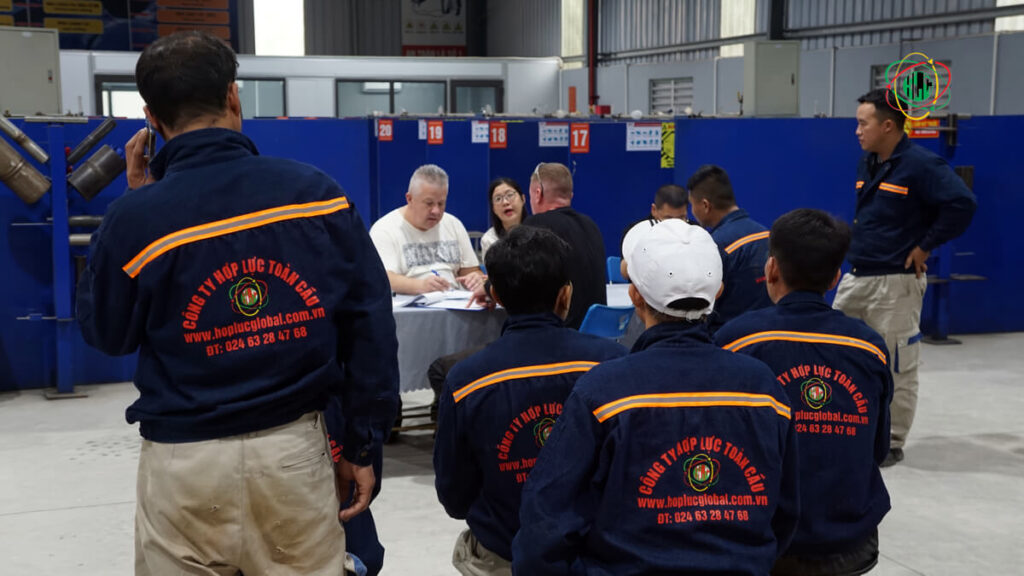
We serve both direct employers and EU manpower partnership Vietnam arrangements. Clients receive a detailed supplier pack including candidate profiles, training curricula, and a compliance roadmap. Our aftercare team provides 30/60/90-day check-ins and a replacement SLA for early exits.
When to Work with an International Manpower Company in Vietnam
An international manpower company in Vietnam is not always the answer. Use this guide to self-qualify: these are the situations where international workforce partnerships deliver the most value.
Scaling Projects Quickly
When you need 20, 50, or 100 workers within 3–4 months, domestic recruitment will likely fail. Workforce scaling EU through a Vietnam partner provides the volume and speed that local hiring cannot match. The key is starting the process before the shortage becomes critical.
Entering New Markets with Labor Demand
Cross-border workforce expansion into new EU countries or new sectors requires a partner who understands local regulations and worker expectations. A Vietnam agency with experience in your target market can navigate visa requirements and cultural nuances more efficiently than building internal capacity from scratch.
Frequently Asked Questions (FAQ)
What is an international manpower company in Vietnam?
It is a licensed agency that recruits, trains, and deploys Vietnamese workers to overseas employers, with end-to-end responsibility for compliance, documentation, and aftercare.
How do EU employers verify a Vietnam manpower company?
Check MOLISA licensing, request auditable training records and trade test results, contact EU client references, and review replacement SLAs. For a detailed process, see how to choose a Vietnam manpower agency.
Is it legal to hire workers through Vietnam manpower agencies?
Yes, when working with a MOLISA-licensed agency that complies with EU labor regulations and bilateral agreements. Always verify the license and contract terms. For more on legal compliance, read Vietnam manpower agency reviews.
What industries benefit most from Vietnam labor supply?
Construction, manufacturing, shipbuilding, hospitality, agriculture, and logistics. Each sector requires specific skills and certification levels, which a professional agency can match.
How long does it take to deploy Vietnamese workers to Europe?
Typical deployment takes 8–12 weeks from signed contract to arrival. Factors affecting timeline include destination country visa processing, certification verification, and batch size.
💬 Still evaluating your options?
Choosing the right international manpower company in Vietnam often comes down to fit—your industry, timeline, and level of internal support all matter.
If you want to clarify whether this approach makes sense for your situation, you can reach out for a quick discussion or simply explore more resources.

International manpower company in Vietnam partnerships are now a strategic requirement for EU employers dealing with long-term labor shortages. By selecting a compliant and experienced partner, businesses can secure a stable workforce pipeline, reduce hiring uncertainty, and maintain consistent project delivery across markets.