For employers across Europe, finding reliable skilled workers for Germany from Vietnam has become an increasingly relevant strategic conversation. German manufacturing, construction, and logistics sectors continue to face workforce gaps that cannot be filled through domestic talent alone.
According to latest labour shortage data from Eurostat, labour shortages remain a significant challenge across many European industries. This has prompted many HR leaders and plant managers to explore international recruitment as a practical solution. However, the success of such hiring initiatives often depends less on the availability of candidates and more on the quality of the recruitment partnership. Employers who approach international hiring with a structured evaluation framework are better positioned to reduce risk, ensure workforce readiness, and avoid costly operational delays.

A Vietnam manpower supply partner with documented processes and transparent communication can make the difference between a smooth recruitment cycle and a disruptive experience. As German employers consider expanding their sourcing strategies, understanding how to assess potential suppliers and plan for workforce integration becomes essential.
For companies evaluating skilled workers for Germany from Vietnam, choosing the right recruitment partner is often more important than comparing recruitment costs alone.
Why Skilled Workers for Germany From Vietnam Are Becoming a Strategic Workforce Option
Germany’s ongoing workforce challenges
Germany’s industrial economy relies heavily on a steady supply of skilled labor in sectors such as manufacturing, construction, logistics, and engineering. Demographic shifts and changing career preferences have contributed to sustained labor shortages, prompting employers to look beyond national borders for qualified candidates. International recruitment has therefore become a practical necessity for many German companies seeking to maintain production schedules and service commitments.
Many employers looking for skilled workers for Germany from Vietnam now integrate international recruitment into their long-term workforce planning strategies.
Supplier evaluation becomes critical in this context because not all recruitment agencies operate with the same level of professionalism or transparency. Employers who invest time in assessing potential partners reduce the likelihood of encountering issues related to worker quality, documentation errors, or communication breakdowns. A structured approach to evaluating suppliers also helps German companies align their recruitment activities with broader operational planning objectives.
Why Vietnam is considered by European employers
Vietnam has developed a reputation as a source of industrially trained workers with experience in manufacturing, assembly, welding, and related occupations. The country’s vocational education system emphasizes practical skills and workplace safety, which are attributes that European employers find valuable. Additionally, Vietnamese workers often demonstrate strong adaptability and a willingness to engage in role-based preparation before deployment.
European employers considering Vietnam overseas manpower typically look for suppliers who can offer structured recruitment pathways rather than simply matching candidates to job openings. The relevance of Vietnam as a sourcing destination stems from its combination of workforce availability, vocational training infrastructure, and the growing experience of its manpower agencies in serving international markets.
How to Evaluate a Supplier for Skilled Workers for Germany from Vietnam
Assess recruitment transparency
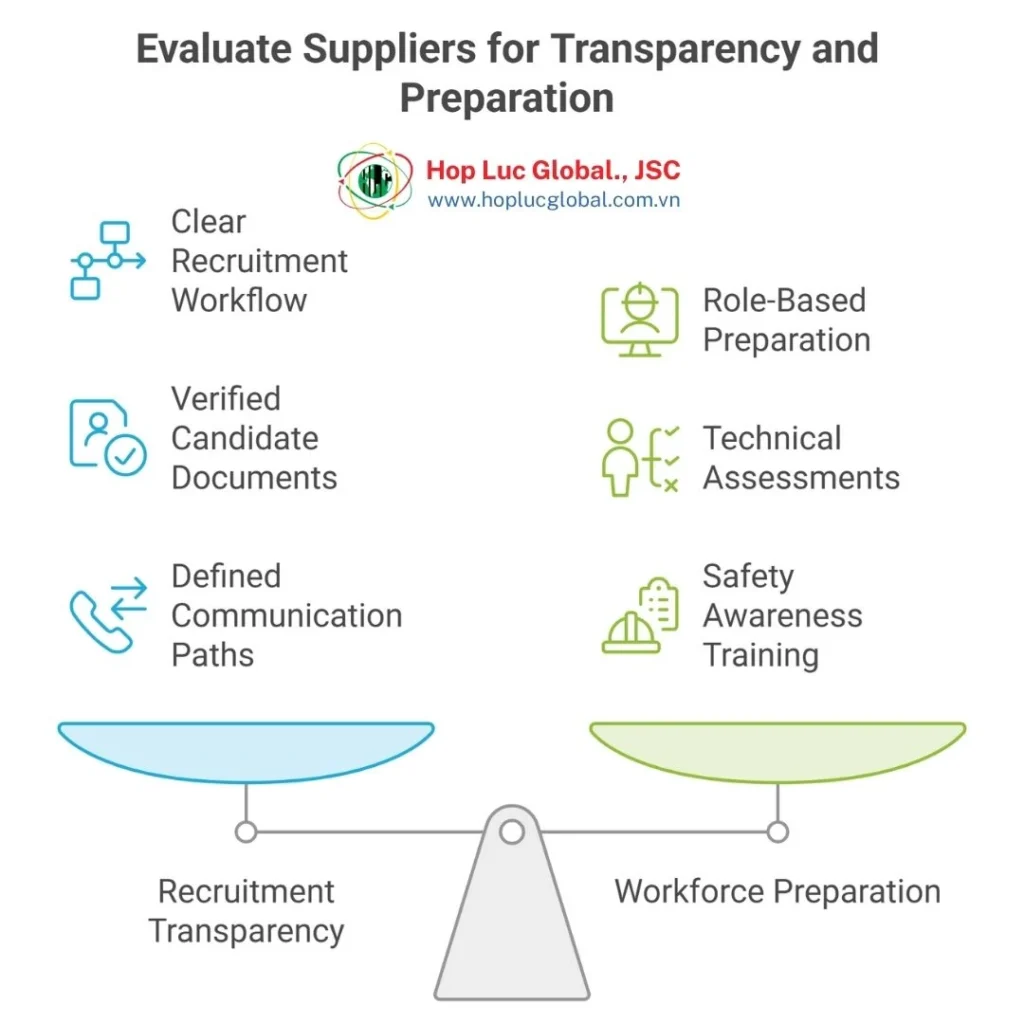
One of the most important factors in choosing a recruitment partner is the level of transparency they offer throughout the hiring process. Employers should request a clear breakdown of the recruitment workflow, including candidate sourcing methods, screening procedures, and the timeline for each stage. A transparent supplier will also provide documentation that outlines their communication protocols and escalation paths for resolving issues.
Transparency extends to candidate documentation as well. Employers should ask potential partners how they verify worker qualifications, identity documents, and any relevant certificates. The ability to review documentation early in the process helps employers avoid surprises during later stages of recruitment. Evaluating recruitment transparency also gives employers insight into how a supplier manages expectations and handles challenges that may arise.
Need a structured supplier evaluation framework?
Before selecting a recruitment partner, compare documentation, workforce preparation, communication practices, and recruitment workflow—not just pricing.
Planning to recruit skilled workers for Germany from Vietnam? Request a practical sourcing roadmap tailored to your workforce requirements.
Review workforce preparation processes
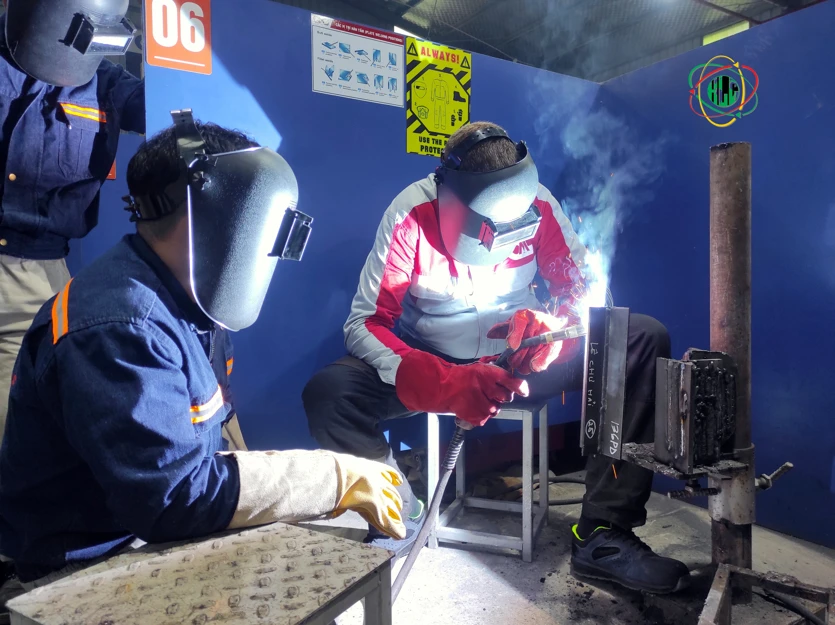
The quality of workforce preparation varies significantly between recruitment agencies. Some suppliers simply present candidates based on basic CVs, while others invest in role-based preparation, technical assessments, and structured interviews. Employers should inquire about the specific preparation activities that candidates undergo before being presented for consideration.
Agencies that prioritize workforce preparation typically conduct occupation-specific technical evaluations, safety awareness training, and communication readiness sessions. Employers can ask to see examples of preparation materials or request information about the qualifications of trainers involved in candidate development. A supplier’s approach to workforce preparation offers valuable insight into their commitment to delivering candidates who can contribute effectively from the start of employment.
A structured preparation process helps employers recruit skilled workers for Germany from Vietnam who are better aligned with operational requirements.
Evaluating Workforce Readiness and Documentation Coordination
Technical skills and role-based preparation
Candidate readiness goes beyond basic qualifications to include practical technical skills, safety awareness, and the ability to adapt to workplace expectations. Employers should ask potential recruitment partners to describe their technical skills assessment methodology and how they match candidates to specific occupational requirements. The preparation process should include hands-on evaluation where feasible, rather than relying solely on paper-based qualifications.
Employers may also consider workforce preparation practices that align with International Labour Organization (ILO) guidance on skills development and decent work principles where appropriate.
Manufacturing hiring support often involves collaboration between the recruitment agency and employers to define specific skill benchmarks for particular roles. Employers benefit from understanding how a supplier assesses candidate capabilities and whether the preparation includes employer-specific requirements. A supplier who takes a structured approach to skill development is more likely to deliver workers who meet operational expectations.
Documentation coordination for international recruitment
International recruitment involves multiple documentation steps that require careful coordination between the employer, recruitment agency, and relevant authorities. Employers should evaluate how a supplier manages document collection, verification, and submission processes. A well-organized documentation coordination process reduces the risk of errors and delays that can disrupt hiring timelines.
Suppliers who demonstrate experience with employer-side documentation checks and worker documentation standards are better equipped to support the administrative aspects of international recruitment. While specific destination-country requirements vary and should be verified with the relevant authorities, a capable partner will have established procedures for managing the documentation workflow effectively. Employers should ask about their supplier’s approach to handling documentation issues, including their contingency plans for addressing incomplete or incorrect paperwork.
Employers should also review official employer guidance from EURES before planning international recruitment and workforce mobility.
Proper documentation management is an essential part of recruiting skilled workers for Germany from Vietnam efficiently and reducing administrative delays.

Workforce Planning and Risk Reduction for German Employers
Planning recruitment timelines realistically
One of the most common sources of frustration in international recruitment is misaligned expectations regarding timelines. Employers should work with their recruitment partners to establish realistic schedules that account for the various stages of the recruitment process, from candidate identification to documentation completion and final travel arrangements.
When planning recruitment timelines, employers should factor in the time required for candidate preparation, document verification, and any destination-country administrative procedures that must be completed before workers can begin employment. Operational planning benefits from building contingency time into schedules to accommodate potential delays. A recruitment partner who provides clear timeline guidance and regular progress updates helps employers manage their internal planning more effectively.
Realistic scheduling helps employers onboard skilled workers for Germany from Vietnam according to production and project timelines.
Common supplier selection risks
Selecting a recruitment partner without adequate due diligence exposes employers to several risks that can undermine their hiring initiatives. Hidden costs, poor communication, incomplete documentation, and insufficient candidate preparation are among the most common issues reported by employers who have experienced problematic supplier relationships. These risks can lead to project delays, increased costs, and operational disruptions.
Reducing supplier selection risk requires a systematic evaluation approach that considers multiple factors beyond initial cost comparisons. Employers should assess potential partners on their communication responsiveness, documentation quality, and willingness to provide detailed information about their processes. A supplier who demonstrates professionalism and transparency during the evaluation phase is more likely to maintain those standards throughout the recruitment relationship.
Why Employers Choose a Structured Recruitment Partner
What employers should expect from a recruitment partner
Employers should expect a structured recruitment partner to offer transparent communication, a documented recruitment pathway, and effective coordination of documentation processes. A reliable partner will also provide role-based preparation that aligns with employer expectations and industry standards. While no recruitment partner can guarantee specific outcomes, a professional agency will clearly communicate what they can deliver and how they plan to achieve it.
The relationship between employer and supplier should be built on mutual understanding of requirements, timelines, and responsibilities. Employers benefit from partners who proactively identify potential challenges and offer solutions rather than waiting for problems to escalate. By setting clear expectations from the outset, both parties can work more effectively toward successful recruitment outcomes.
Next steps for workforce planning
For employers considering international recruitment, the next step is to prepare a detailed overview of their hiring requirements, including role specifications, desired qualifications, and operational timelines. This information serves as the basis for productive discussions with potential recruitment partners. Employers should also consider how they will evaluate supplier responses and what criteria will be most important in their selection process.
Engaging with a recruitment partner early in the workforce planning cycle allows both parties to align expectations and address potential challenges before they become critical. Employers who take a proactive approach to supplier evaluation and workforce planning are better positioned to achieve their recruitment objectives with minimal disruption to their operations.
Planning your workforce for Germany?
If you already know the occupations, estimated headcount, and preferred deployment timeline, we can help you review recruitment feasibility and documentation requirements before you begin hiring.
Frequently Asked Questions
Why are skilled workers for Germany from Vietnam considered by employers?
Vietnamese workers bring industrial experience and vocational training that align with manufacturing, construction, and logistics roles, making them a practical option for German employers.
How should employers evaluate a manpower supplier?
Employers should assess transparency, workforce preparation processes, documentation coordination, and communication practices before committing to a partnership.
What documentation is commonly involved during recruitment?
Documentation includes identity verification, qualification certificates, and country-specific administrative forms that must be reviewed by relevant authorities.
Can employers interview candidates before recruitment?
Yes, most recruitment partners facilitate candidate interviews to allow employers to assess skills and cultural fit before final selection.
How can companies reduce hiring risks?
Adopting a structured evaluation framework, planning realistic timelines, and choosing a transparent partner helps reduce recruitment risks.
Why is workforce planning important before recruitment begins?
Workforce planning allows employers to align hiring with operational needs, allocate resources effectively, and anticipate administrative requirements.
Looking for Skilled Workers for Germany from Vietnam?
Whether you’re hiring welders, machine operators, construction workers, or manufacturing staff, workforce planning starts with selecting the right recruitment partner.
- Structured recruitment workflow
- Candidate preparation
- Documentation coordination
- Employer communication support
- Recruitment planning for European employers
Share your role list and preferred deployment date to discuss recruitment options for skilled workers for Germany from Vietnam.