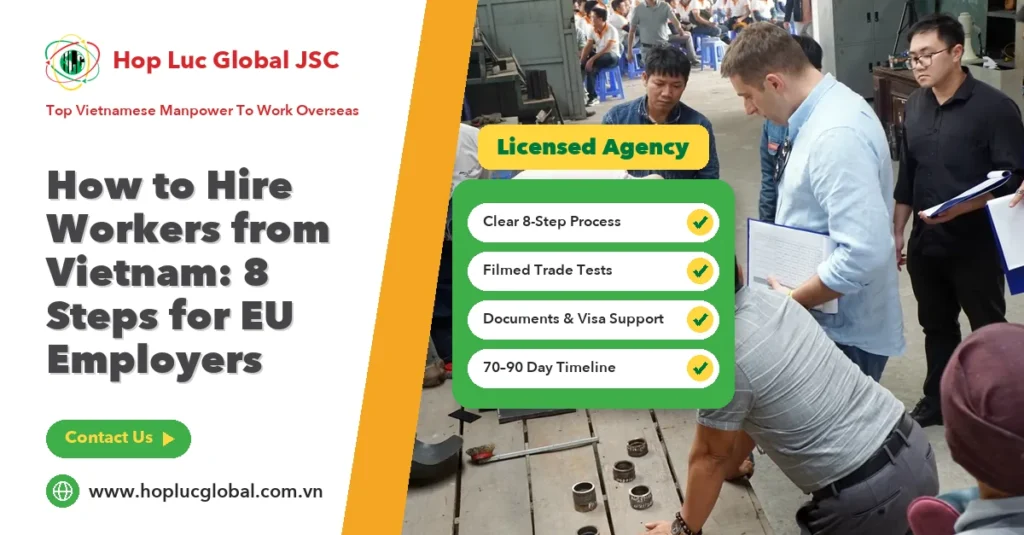
To hire workers from Vietnam, a European employer sends a job order and a short set of company documents to a licensed Vietnamese recruitment agency. The agency recruits and trade-tests candidates against your job description, you interview and select, and both sides prepare the permit and visa files. With a complete job order, workers typically arrive 70-90 days after the order is approved.
Updated: 25 November 2026
This guide explains each step, who is responsible for it and how long it usually takes. It reflects how we work at Hop Luc Global, a Hanoi-based agency licensed to send Vietnamese workers abroad (Licence No. 67), with 20 years of operation.
Who does what: employer, Vietnamese agency and authorities
International recruitment has three parties. Keeping their roles clear avoids most delays.
| Party | Main responsibilities |
|---|---|
| Employer in Europe | Defines the job, salary and working conditions; signs the supply contract and the individual employment contracts; applies for the work or residence permit in the destination country; arranges accommodation and pick-up. |
| Licensed agency in Vietnam | Registers the job order in Vietnam; sources, pre-screens and trade-tests candidates; prepares and legalises worker documents; files visa applications; runs pre-departure training; supports workers after arrival. |
| Authorities | In Vietnam, the agency’s licence and overseas contracts fall under the Law on Vietnamese Guest Workers. In the destination country, the labour office and immigration authority decide on permits; the embassy in Hanoi issues the visa. |
Step 1: Send a job order and company documents
A precise job order is the single biggest factor in speed and quality. Describe the position, headcount, required experience, working hours, salary, overtime, accommodation and the skills you want to see tested.
Employers usually prepare the following (the agency provides templates for the first three):
- Power of attorney for the Vietnamese agency.
- Demand letter stating positions, numbers and conditions.
- Labour supply contract between the employer and the agency.
- Draft individual employment contract.
- Company profile and registration certificate.
- Confirmation of company details and a passport copy of the legal representative.
- Photos of the workplace and the accommodation.
The full checklist is on our Vietnamese recruitment plan page.
Step 2: Approval of the order in Vietnam
The agency registers the job order and the contract documents with the competent Vietnamese authority, as the law requires for sending workers abroad under contract, and then opens recruitment. Vietnam amended its Law on Vietnamese Guest Workers in 2026 (Law No. 22/2026/QH16). The new law requires that contracts must specify conditions for unilateral termination and dispute settlement, and enterprises must have overseas representatives to support workers.
Step 3: Sourcing and pre-screening
The agency advertises the job through its recruitment network and pre-screens applicants. This includes a face-to-face interview, a check of work history and an explanation of the job, the salary and the living conditions. Candidates who do not match the job description are filtered out before you see them.
Step 4: Trade test and interview

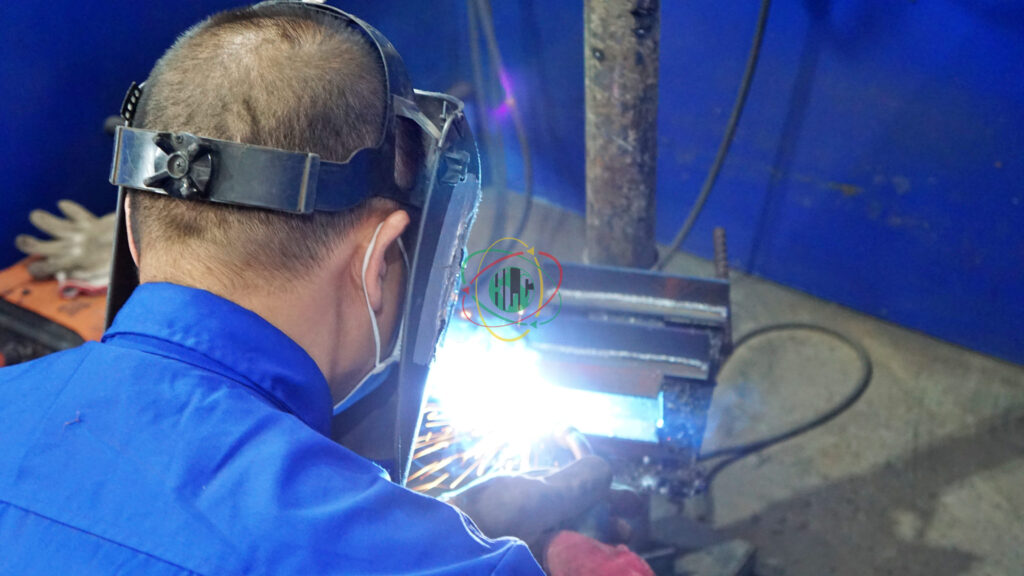
A CV says little about how a welder or a tiler actually works. At our training centre near Noi Bai Airport, opened on 19 October 2026, candidates are tested on the tasks in your job description, and every test is filmed. You then choose one of three options:
- review the videos and interview the shortlist online;
- visit Hanoi and test and select in person, as our Croatian partners did during a week of on-site selection in February 2025;
- ask for a recorded interview in addition to the trade test.

Step 5: Worker documents
After selection, the agency prepares a complete file for each worker:
- diplomas or certificates with consular authentication in Vietnam;
- health certificate and criminal record, legalised by the Consular Department of Vietnam’s Ministry of Foreign Affairs;
- proof of work experience;
- passport copy;
- signed CV with photo;
- certified translations where the destination country requires them.
Step 6: Work and residence permit in the destination country
This step is led by the employer and depends on national rules, which changed in several countries in 2026.
| Country | What employers should know in 2026 |
|---|---|
| Romania | Since 8 August 2026, employers and placement agencies use the WorkinRomania.gov.ro platform under the new rules of OUG 32/2026. |
| Croatia | A labour market test with the Croatian Employment Service (HZZ) is required for non-deficit occupations. Under the 2026 amendments to the Foreigners Act, the decision on a residence and work permit can take up to 90 days. Workers must pass a basic Croatian language exam within one year to renew their permit. |
| Other EU countries | Most use a single application for residence and work. Ask your agency for a country-specific document list before you sign the supply contract. |
Step 7: Visa, pre-departure training and departure
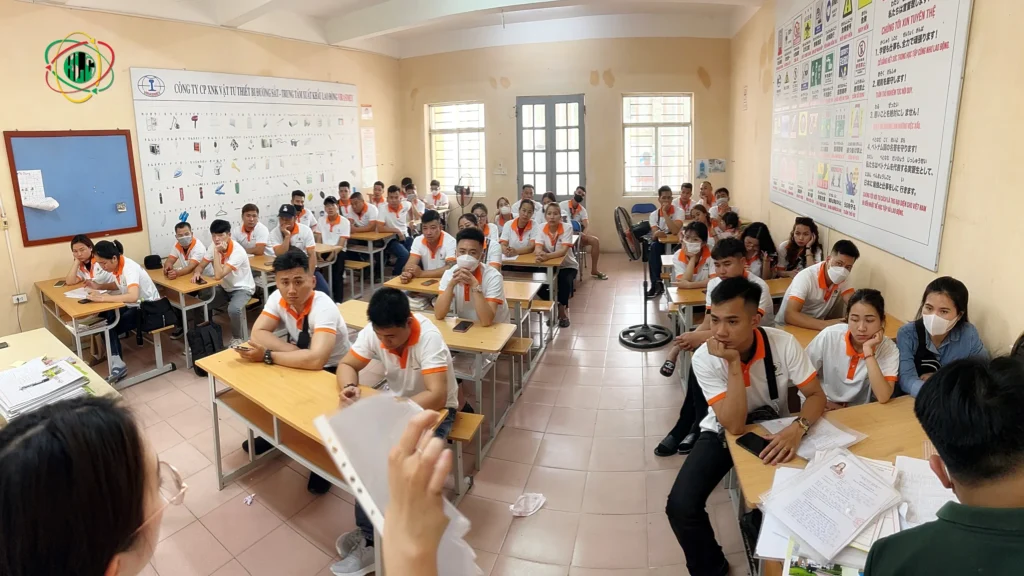
Once the permit is issued, the agency applies for the long-stay visa at your country’s embassy in Vietnam. While the visa is processed, workers attend pre-departure training on safety, workplace rules, language and life in the destination country. You can ask for refresher training on specific tasks. After the visas are issued, the agency books flights and you arrange pick-up and accommodation.
Step 8: Arrival and the first months
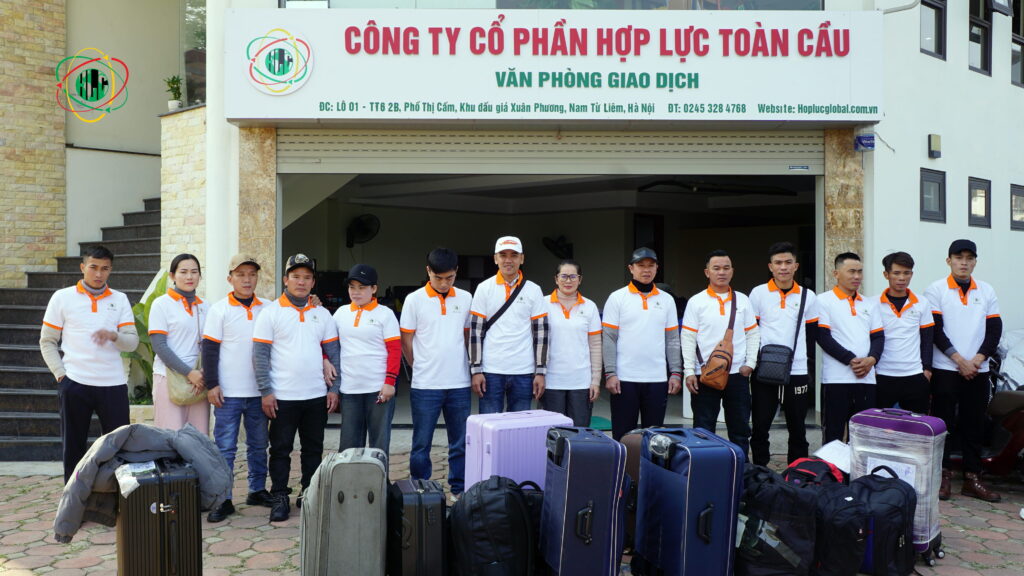
Good retention starts on day one. Agree in advance who the workers can call with questions. At Hop Luc Global, a Vietnamese-speaking coordinator stays in contact with workers and with your HR team after arrival.
How long does it take to hire workers from Vietnam?
| Stage | Typical duration | Led by |
|---|---|---|
| Order approval in Vietnam | Set by authorities | Agency |
| Sourcing, trade test, selection | Depends on trade and headcount | Agency and employer |
| Worker documents | Prepared after selection | Agency |
| Work and residence permit | Country-specific (Croatia: up to 90 days) | Employer |
| Visa and departure | Depends on the embassy | Agency |
Some stages run in parallel. For a complete job order, our clients usually see workers arrive 70-90 days after approval. Permit queues in the destination country are the main variable.
Who pays for what?
As a rule, costs incurred in the destination country (permit fees, accommodation, local transport) are borne by the employer. In our standard contracts, the visa fee is paid by the Vietnamese agency. The exact split, including flights and training, is set in the labour supply contract. Make sure it is written down before recruitment starts. See our export process for an overview.
Five mistakes that slow down hiring from Vietnam
- A vague job description, which leads to the wrong candidates and a second round of tests.
- Not asking for a practical trade test before the interview.
- Starting recruitment before checking the destination country’s permit rules and quotas.
- No accommodation ready on the arrival date.
- Working with an agency that cannot show a valid licence to send workers abroad.
Frequently asked questions
Can I interview candidates before they are selected?
Yes. You can interview a shortlist online after reviewing their filmed trade tests, or visit Hanoi to test and select in person.
Do Vietnamese workers speak English?
Levels vary by trade. Basic workplace English or the destination language can be trained before departure, and the content is agreed with you.
What if a worker does not meet expectations after arrival?
Your supply contract should set out replacement terms. A trade test against your own job description, done before hiring, is the best way to avoid mismatches.
How many workers can we hire at once?
From single specialists to groups of 50 or more. In May 2024 we organised a skills exam for 50 candidates for a Croatian employer.
Start with a job order
Send us the positions, headcount, required skills, working conditions and your preferred start date. We will reply with a recruitment plan and a timeline for your country. Contact Hop Luc Global or message us on WhatsApp +84 983 688 060.